


In the world of design, creativity alone is not enough. Good designers can make things look beautiful — but great designers solve problems, understand users, and make meaningful decisions.
This is where critical thinking becomes one of the most powerful skills a designer can have.
Whether you work in graphics, UI/UX, branding, or motion design, critical thinking helps you analyze problems, ask the right questions, and create designs that truly work.
In this blog, we’ll explore why critical thinking matters, how to develop it, and how it transforms your design process.
⭐1. What Is Critical Thinking in Design?
Critical thinking means looking deeper — not just accepting the first idea that comes to mind.
In design, it includes:
- Understanding the problem before designing
- Questioning assumptions
- Analyzing what the user really needs
- Making decisions based on logic, not guesswork
- Testing ideas and improving them
It’s not just about “how it looks,” but why it looks that way.
⭐2. Why Designers Need Critical Thinking
Design decisions affect how people feel, think, and act. With strong critical thinking, designers can:
✔ Solve real problems
Design becomes a solution, not decoration.
✔ Avoid guess-based choices
Every color, layout, and element has a purpose.
✔ Communicate ideas better
You can justify your decisions to clients and teams.
✔ Create user-centered designs
Focus shifts to user needs, not designer preferences.
✔ Improve creativity
Critical thinking doesn’t reduce creativity — it sharpens it.
Design becomes a balance of logic + creativity.
⭐ 3. How Critical Thinking Improves the Design Process
Here’s how designers use critical thinking step-by-step:
1) Ask “Why?” Before “How?”
Instead of jumping into software immediately, question the goal:
- Who is this for?
- What problem are we solving?
- What does the user expect?
2) Identify Constraints
Budget, audience, timeline, platform — constraints guide smart decisions.
3) Analyze Information
Research the target audience, competitors, trends, and similar designs.
4) Explore Multiple Ideas
Critical thinking forces you to try more than one concept.
5) Test, Compare, Improve
Review what works and what doesn’t — iterate, don’t just decorate.
6) Justify Your Design Decisions
Every design choice should have a reason.
⭐ 4. Practical Ways to Develop Critical Thinking as a Designer
1) Study Good Designs
Observe what works and why it works.
2) Ask Better Questions
Swap “What should I design?” with:
? “What does the user need?”
? “What are we trying to change?”
3) Learn Basic Psychology
Colors, shapes, spacing — each influences how people think.
4) Accept Feedback Gracefully
Feedback helps you see blind spots and refine your logic.
5) Avoid the First Idea Trap
Always explore 3–5 variations of your concept.
6) Use Data & Testing
Analytics, A/B tests, surveys — data improves decision-making.
7) Improve Communication Skills
Critical thinkers explain ideas clearly and confidently.
⭐ 5. How Critical Thinking Helps in Different Design Fields
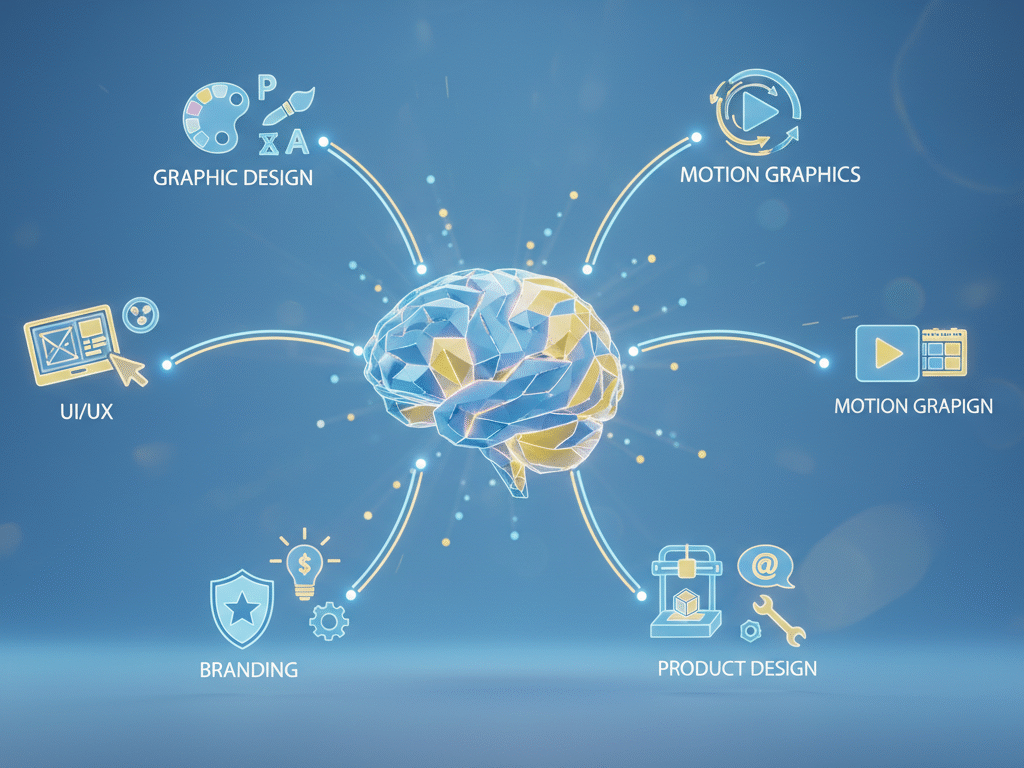
Graphic Design
- Better composition and hierarchy
- Stronger storytelling
- More meaningful visual choices
UI/UX Design
- More intuitive user flows
- Clear understanding of user behavior
- Better problem-solving
Motion Graphics
- Stronger pacing and visual logic
- Better narrative decisions
- Clarity in messaging
Branding
- Strategic identity choices
- Consistent meaning behind visuals
- Deeper brand understanding
Critical thinking elevates every design discipline.
⭐6. Common Mistakes Designers Make Without Critical Thinking
- Choosing colors just because they “look nice”
- Copying trends without understanding them
- Designing for themselves, not users
- Ignoring research
- Overcomplicating layouts
- Focusing more on software than strategy
- Not questioning client instructions
Design becomes shallow without deeper thinking.
Conclusion: The Future Belongs to Thinking Designers
In a world where tools and AI can create visuals instantly, the designers who stand out will be those who think differently, not just design differently.
Critical thinking makes you:
- A better problem-solver
- A smarter creator
- A more valuable professional
Great design starts with great thinking — and every designer can learn it.


